Margins & Costs
Five signs your bar's gross profit is leaking between stocktakes
Peckish Team
10
min read
Every bar loses a little stock. A heavy pour here, a dropped bottle there, a round that never made it to the till. On its own, each one is nothing. Added up over a month, it's often the difference between a healthy gross profit and a worrying one.
The problem is timing. If you only count monthly, you find the gap weeks after it opened, when there's no way to trace it. Here are five signs your margin is leaking, and how to catch them while they're still small.
Where the money goes between counts
Gross profit rarely drops because of one big event. It slips through small, repeated losses that nobody records:
Over-pouring when the bar is busy and nobody uses a measure.
Breakages and spoiled stock that get binned but never written off.
Drinks given away, comped or rung through the wrong button.
"We thought our GP problem was supplier prices. It turned out to be four bottles of vodka a month that nobody could account for."
— Hannah Brook, General Manager, The Wren & Anchor
The five warning signs
If any of these sound familiar, your margin is probably leaking:
Your GP moves but your prices didn't. The menu and supplier costs are the same, yet the margin keeps sliding.
Some products always run out early. You reorder the same spirit or keg sooner than your sales suggest.
The count never matches the till. There's always a gap between what the POS says you sold and what left the shelf.
Nobody wants to do the stocktake. When counting takes half a day, it gets skipped, and losses go unseen for longer.
You can't say where the gap came from. The numbers show a loss, but not which product, shift or area caused it.
"Once we counted weekly, the pattern was obvious within a month. Same products, same nights, every time."
— Marco Delgado, Bar Manager, Saltyard Social
What a leak costs: the numbers
Here's one month of variance on five products at a typical high-street bar. "Sold" comes from the till, "Used" from the stocktake.
Product | Sold (POS) | Used (stocktake) | Variance | Cost (£) |
|---|---|---|---|---|
Draught lager (pints) | 1,840 | 1,960 | 120 | 132.00 |
House vodka (70cl bottles) | 42 | 46 | 4 | 56.00 |
Gin (70cl bottles) | 30 | 33 | 3 | 54.00 |
Prosecco (75cl bottles) | 64 | 69 | 5 | 37.50 |
House red (75cl bottles) | 88 | 94 | 6 | 36.00 |
Total | 315.50 |
Over a year, that's about £3,790 from just five products. Figures are illustrative.
How to plug the gaps
You can't fix a leak you can't see. The first step is counting often enough to spot a pattern:
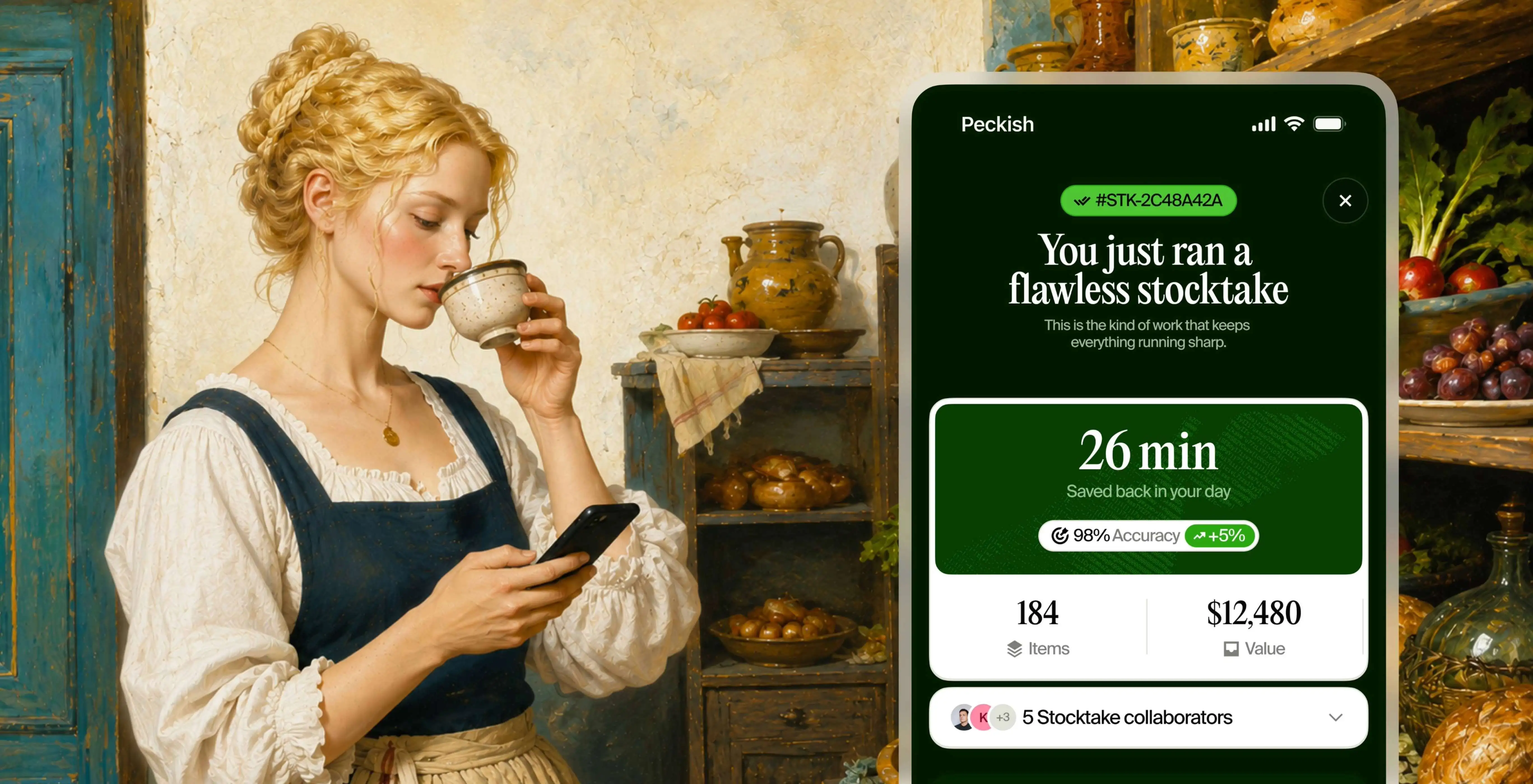
Count weekly, not monthly. With Peckish, you film each area on your phone, so a full bar count takes minutes instead of hours.
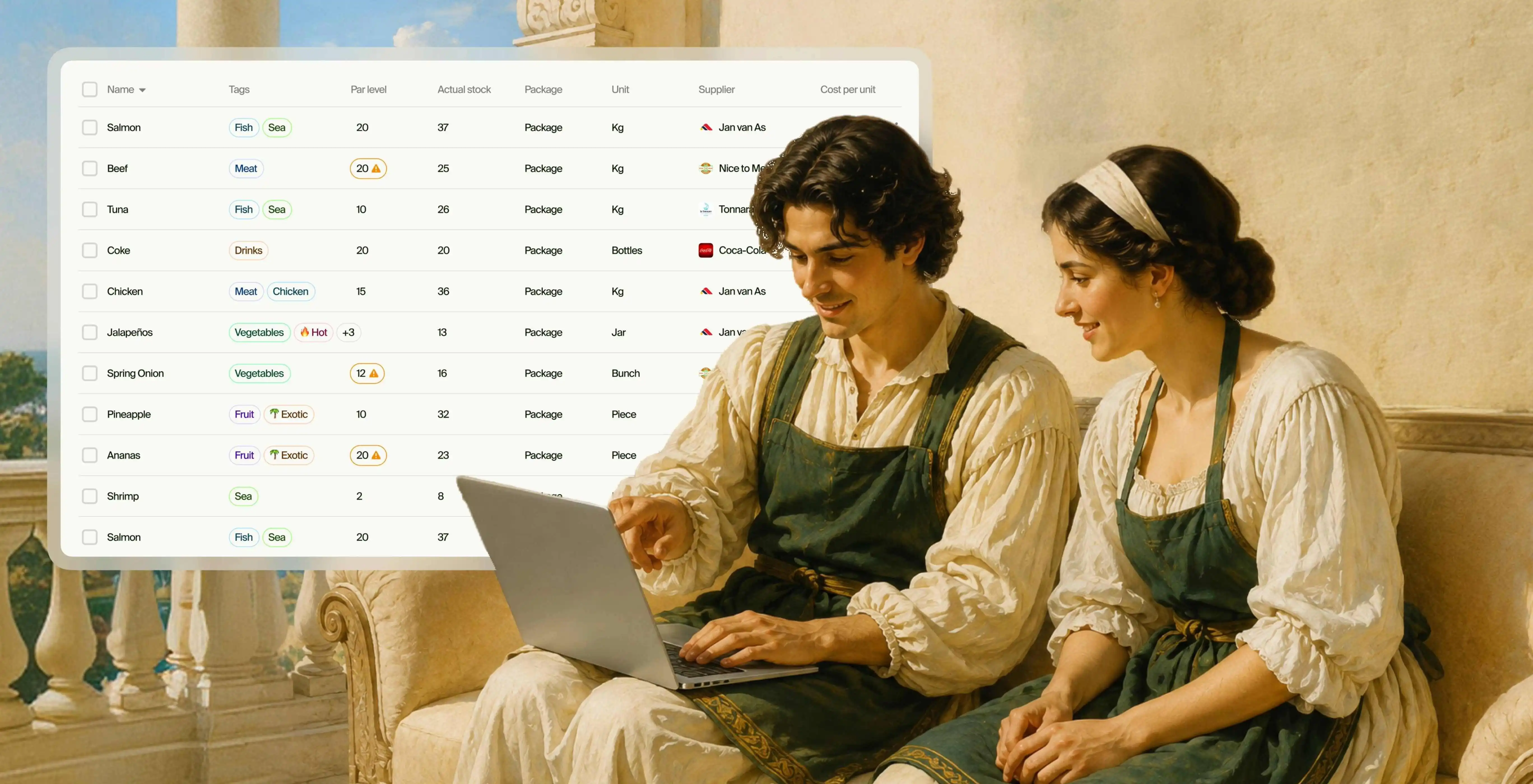
Compare against sales. Variance reports show which products moved more than your till explains.
Check the video. If a number looks wrong, rewatch the clip instead of recounting the shelf.
"The variance report is the first thing I open on a Monday. If something's off, I know which shift to talk to."
— Claire Ibekwe, Finance Director, Meridian Inns
The bottom line
Small losses only stay small if you catch them early. A weekly count turns a vague GP problem into a short list of products and shifts you can actually fix. Start with your five fastest-moving lines and compare them against the till this week.
Ready to try it? Start your 14-day free trial and run your first variance report from your phone.