
The National Theatre put its stocktake in the hands of part time staff
Nine weeks, four stocktakes, each one run alongside a full manual count. Peckish was more accurate every time, and nobody needed training to use it.
4 of 4
counts more accurate than manual
3+hrs
saved on every stocktake
0
training needed, part-time staff included

The team picked it up immediately. No training required. Even our part-time staff can do accurate stocktakes now.
Jamie Spooner
Head of Warehouse Operations
Business type
Theatre & hospitality operation
Market

London, UK
Sites
1
What they count
Warehouse stock
Stocktake time
5+ hrs → around 2 hrs
Interviewed
Jamie Spooner
Head of Warehouse Operations
The operation
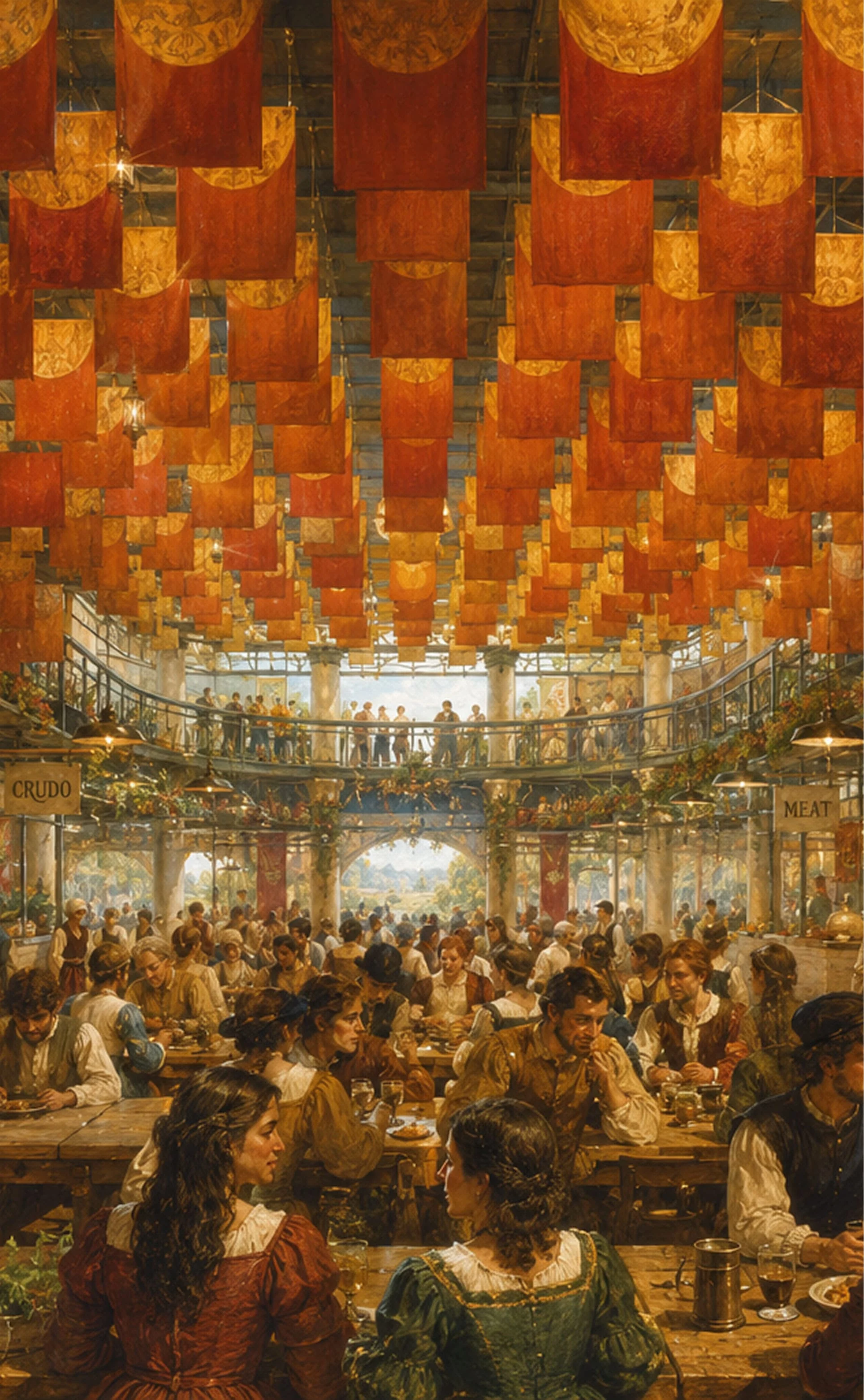
The National Theatre runs three theatres on the South Bank, with bars, restaurants and kiosks feeding audiences around a performance schedule that does not wait. Behind all of it sits a warehouse holding the stock those outlets run on.
It is a large, fast-moving inventory with a lot of lines, counted by a team that includes part-time staff.
What was not working
A full stocktake ran to more than five hours. Long enough that it was a genuine cost, and long enough that whoever was doing it was tired by the end.
The errors that crept in were the ones that always creep into manual counts. Decimals in the wrong place. Units confused with one another. One unit error had been sitting in the numbers long enough that nobody was looking for it any more.
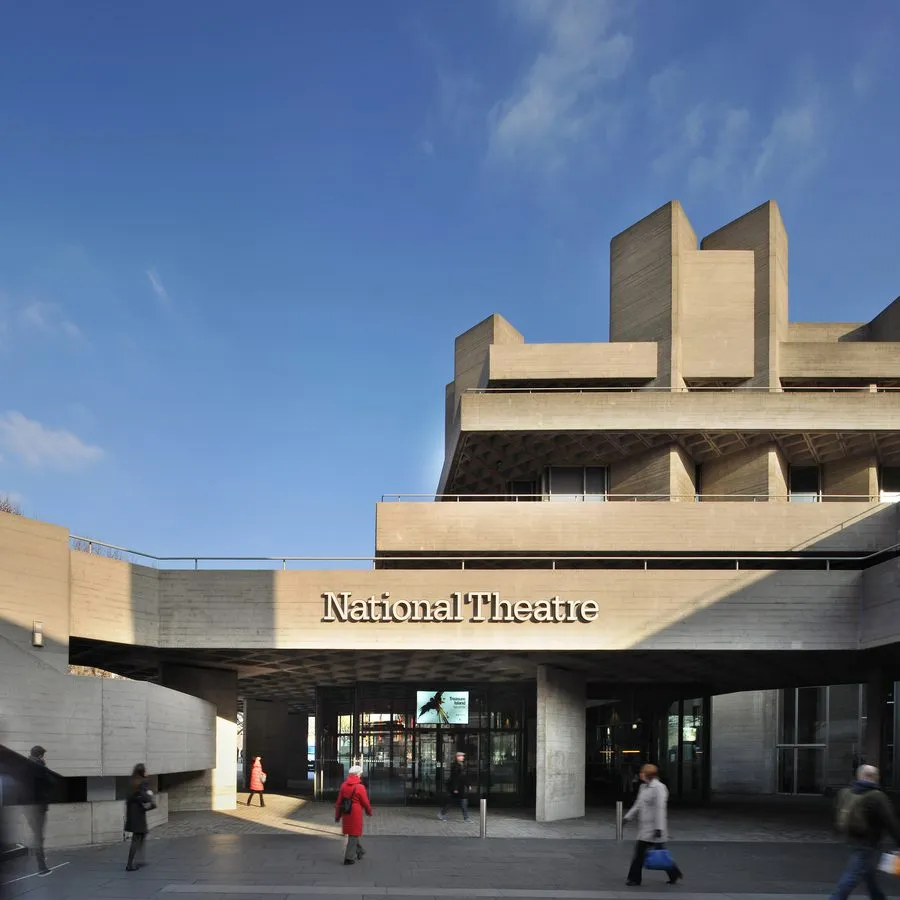
Photo: the warehouse. Racking, stock, scale of the operation. Portrait crop.
The pilot
The trial ran for nine weeks with one stocktake every two weeks, four in total, and a review after each one.
Three things had to be proved. That Peckish would be at least as accurate as the manual count. That it would take meaningfully less time. That the team using it would actually rate the experience.
Every Peckish count ran alongside a full manual count, so the two could be compared line by line rather than taken on trust. All three targets were exceeded.
What the counts showed
Peckish was more accurate than the manual team on all four stocktakes, and averaged under 4% error across the pilot. The manual count never got below 9.5%, and by the final stocktake it had reached 21.6%.
The pattern behind the numbers is the interesting part. Where the manual count went wrong, it was decimal errors and unit confusion.
Peckish flagged around three times fewer items for recount, which is where the time saving actually comes from. Less counting, and far less going back to check.
And it found the unit error. A discrepancy that had survived every manual stocktake before it.
What the team noticed
The count came down from over five hours to around two, and the staff surveys came back positive. Not neutral, positive. The job was less tedious, and filming it meant the work could be shared across the team rather than falling to whoever drew the short straw.
There was also a change nobody had put on the KPI list.
We've never seen the storage areas so tidy. Using Peckish encouraged better organisation.
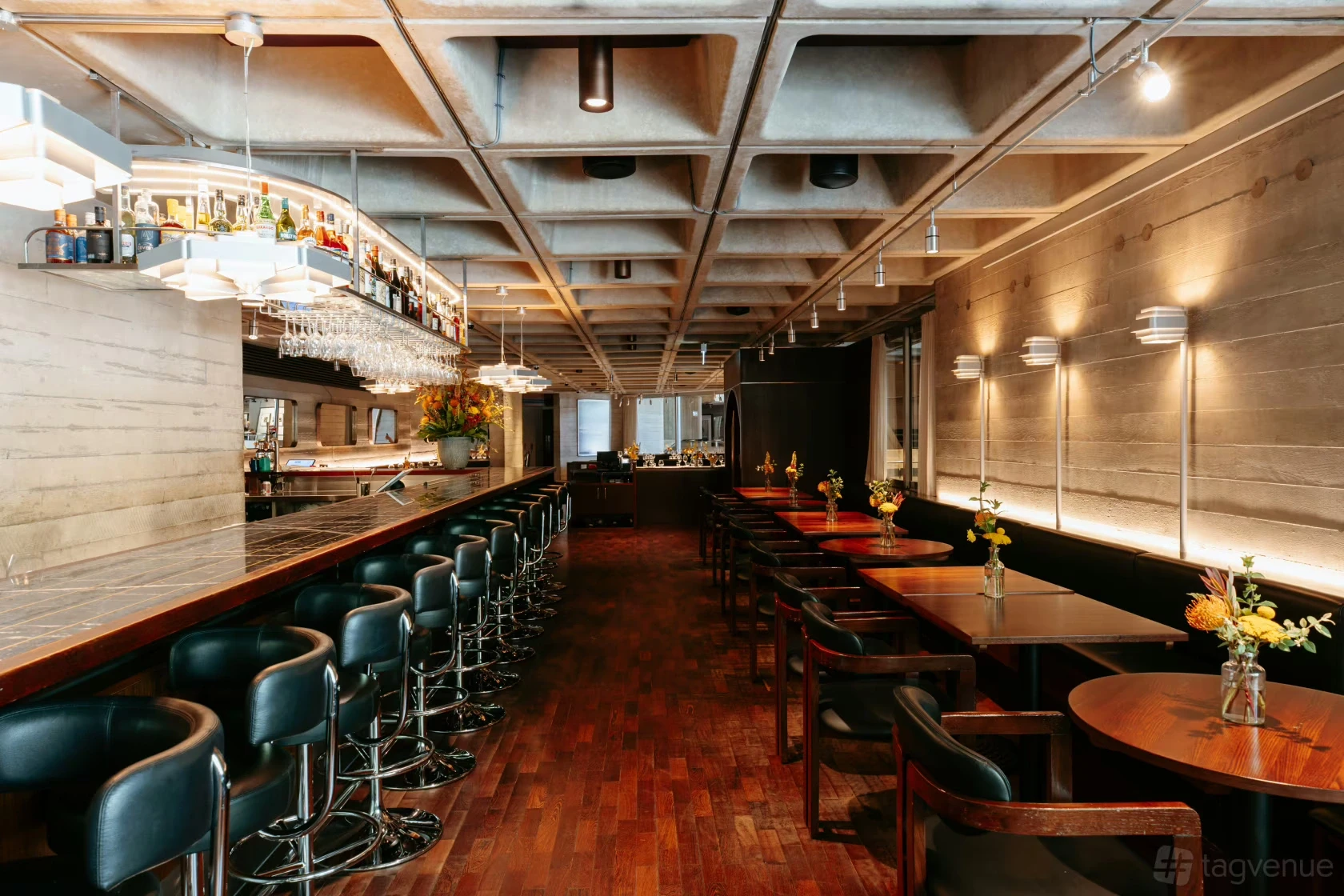
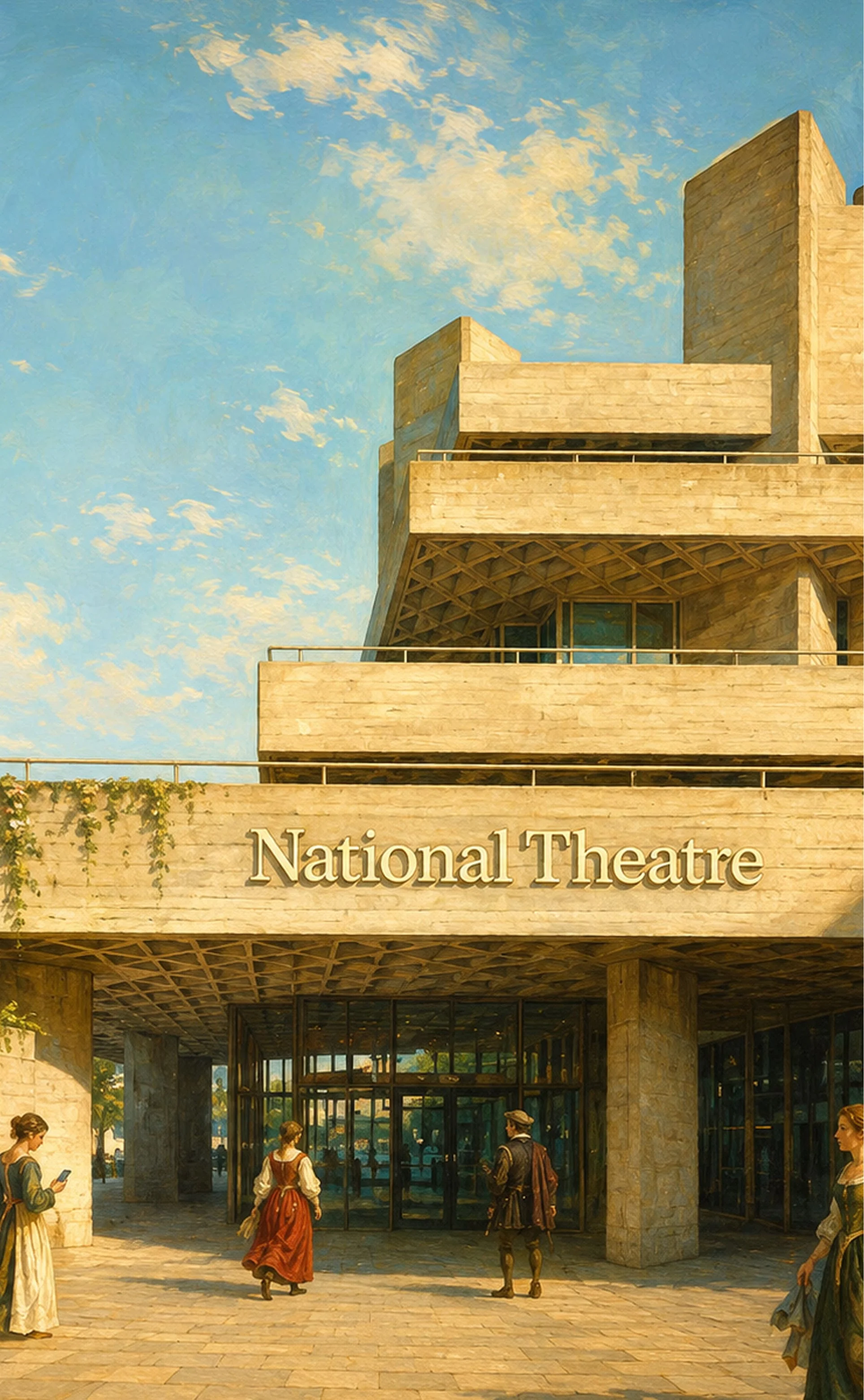
Photo: the National Theatre, South Bank. Wide, landscape.